
ECO BLOGS
Discover how to choose the best eco-essentials for your home. From sponge materials to care tips, let's help you clean smarter, safer, and more sustainably.


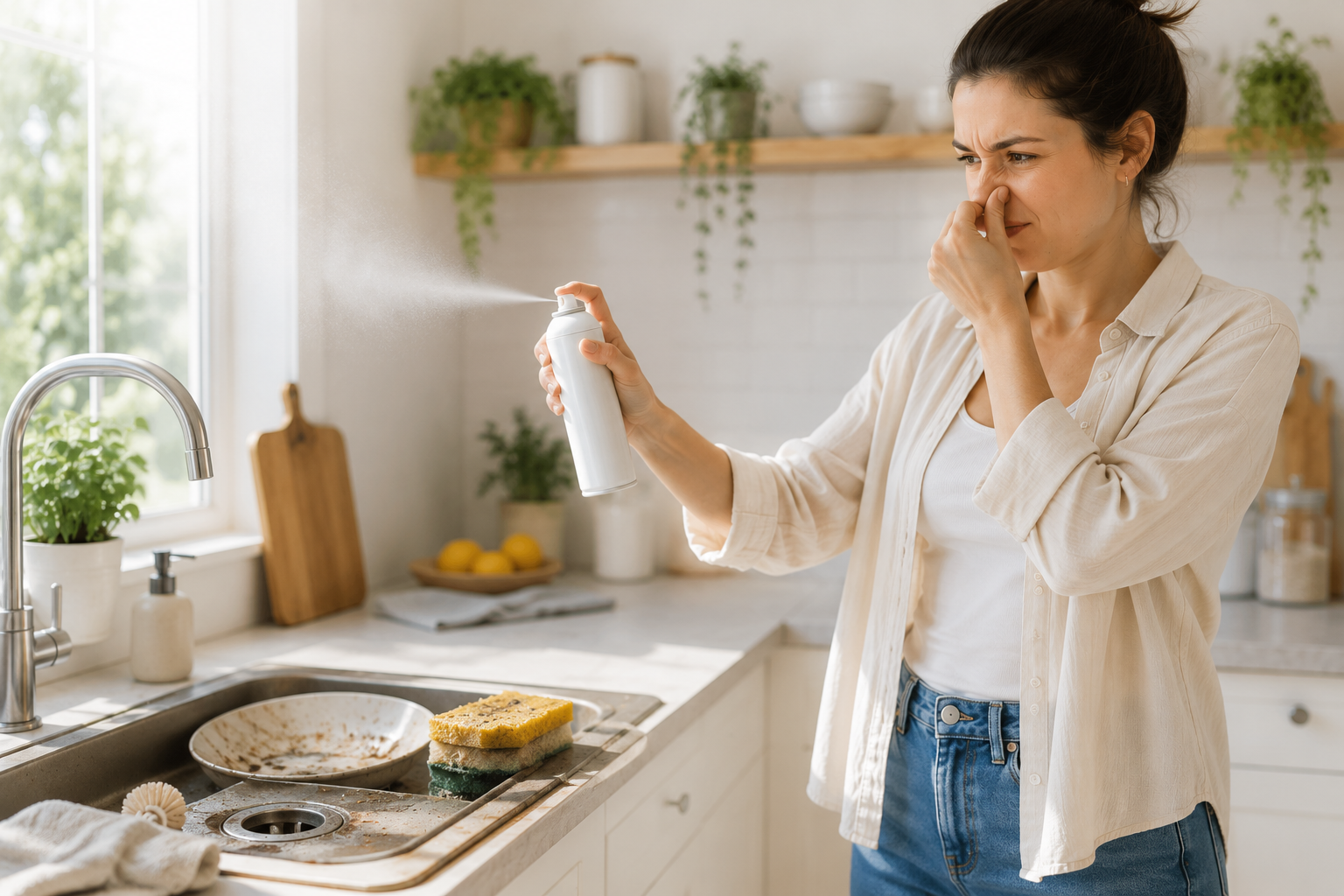

The Real Reason Your Kitchen Smells (And What To Use Instead)
It's frustrating because most advice focuses on covering up odors rather than figuring out what's causing them. Candles, sprays, and plug-ins might make a room smell better temporarily, but they rarely solve the problem.
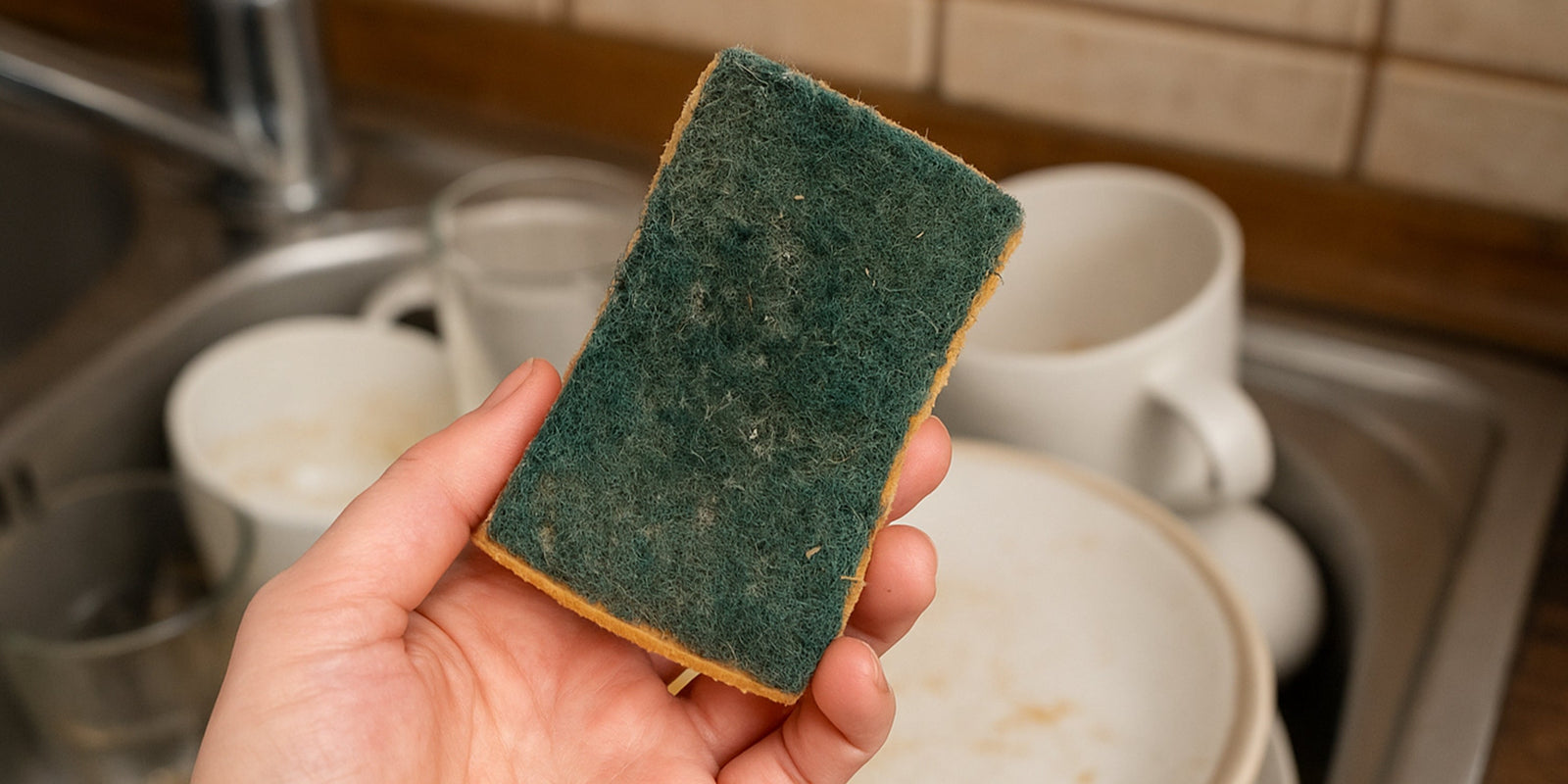

Why Your Sponge Smells Worse in Spring (and How to Fix it)
Spring brings warmer temperatures and higher humidity, which is great for gardens but terrible for the damp sponge sitting by your sink. Here's what's actually happening, why some sponges handle it better than others, and exactly how to fix it.
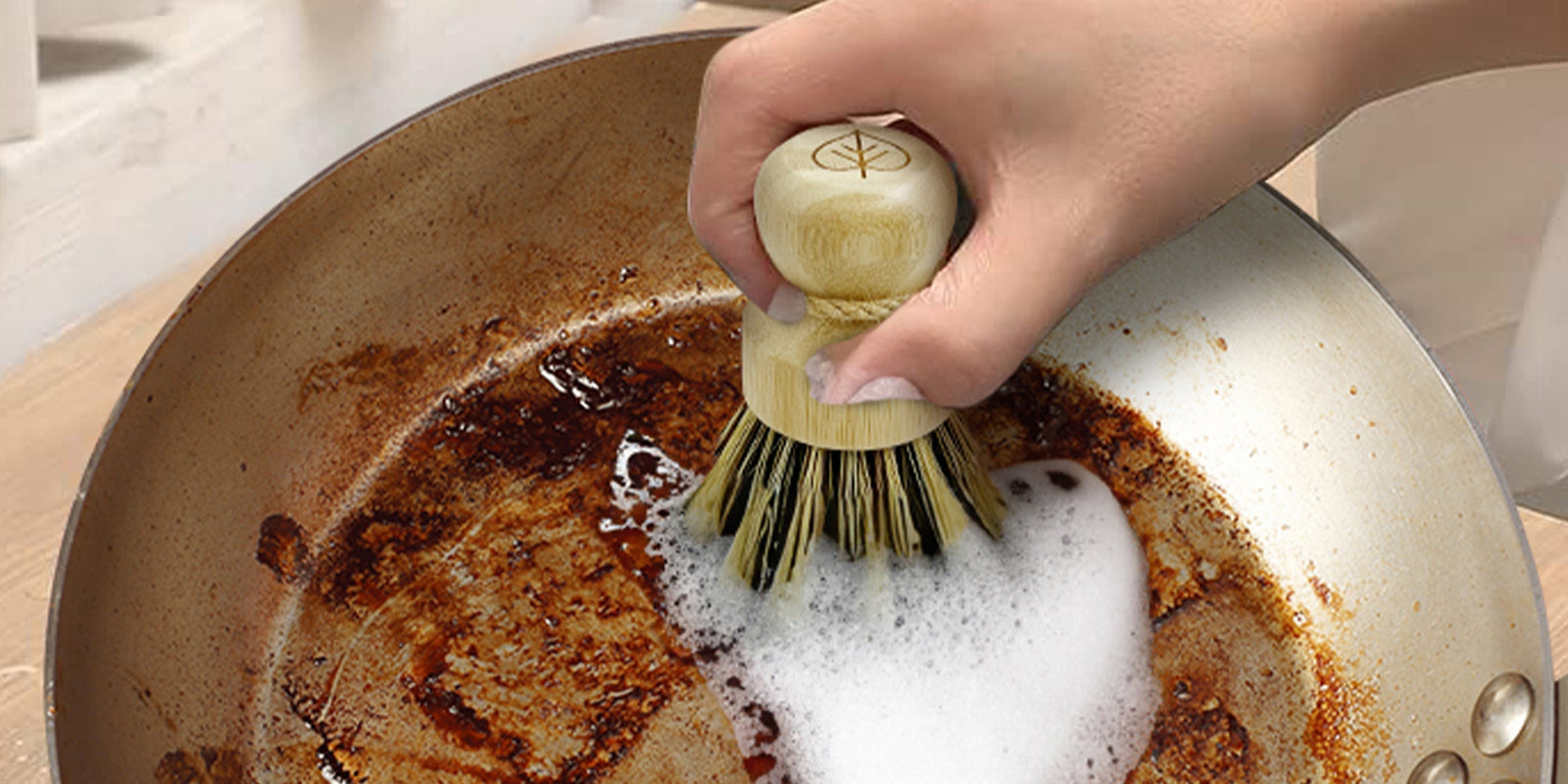

Are You Cleaning, or Just Moving Dirt Around?
What if some of our cleaning habits aren’t removing dirt, just redistributing it? Cleaning isn’t about effort alone. It’s about understanding what actually makes something hygienic.